 diri-au.org – Fashion & Cultural Identity Commentary
 diri-au.org – Fashion & Cultural Identity Commentary
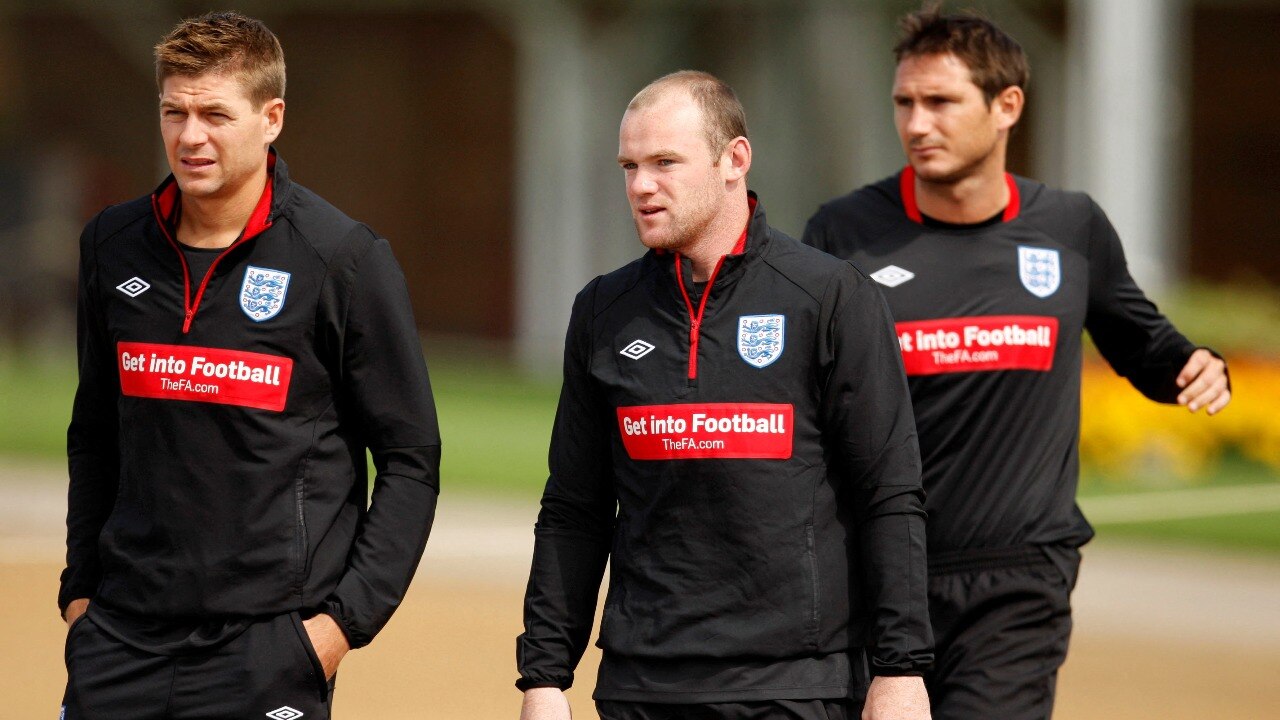

Former Liverpool and England midfielder Steven Gerrard has delivered a frank assessment of the England national team during the 2000s, describing his era as one of unfulfilled promise due to a lack of unity and a challenging team culture. Gerrard also discussed his feelings about his career and his readiness for new managerial challenges. His comments provide an inside look into the mindset and dynamics of one of England's most talented, but ultimately underachieving, squads.
England's early 2000s squad, featuring high-profile names such as David Beckham, Paul Scholes, Rio Ferdinand, and Frank Lampard, was widely expected to achieve major tournament success. However, as Steven Gerrard stated, "England's golden generation failed to live up to their potential because they were 'egotistical losers' who fostered an unfriendly environment and were unable to work together."
Gerrard elaborated, "I think we were all egotistical losers. I watch the telly now and I see (Jamie) Carragher sitting next to (Paul) Scholes on this fan debate and they look like they've been best mates for 20 years," he said on a podcast with Ferdinand. "Why are we all mature enough now and at stages in our life where we're closer and more connected? Why couldn't we connect as England teammates back then?" His reflections reveal regret about the lack of cohesion and camaraderie within the squad.
Expanding on team dynamics, Gerrard said, "I think it was down to the culture within England that we were all never connected. All in our rooms too much. We weren't friendly or connected. We weren't a team. We never at any stage became a real, good, strong team." These comments underscore recurring issues of isolation, with players unable to forge the bonds needed for collective success at major tournaments.
Gerrard shared his own experience: "I used to love playing for England. Really proud. I used to enjoy the training sessions but it was 90 minutes a day. And then I was just on my own in London or Romania or wherever." These remarks highlight the personal toll of the environment and the isolation some players felt while on international duty.
After retiring from international football in 2014, Gerrard moved into management, most notably leading Rangers to a Scottish Premiership title in the 2020-21 season. His subsequent spells at Aston Villa and Al-Ettifaq were less successful, but he remains committed to football. He expressed, "There's a part of me that still feels that there's a bit of unfinished business in terms of wanting to go in and face another couple of exciting challenges."
Looking ahead, Gerrard clarified what will determine his next steps in management: "But I want a certain type of challenge. If, in an ideal world, they become available, I'll jump at them. If they don't, I won't go back in." His statements reflect a considered approach toward his future, emphasising the importance of the right fit and motivation for any new position.
Newer articles
Older articles

 Elon Musk's xAI to Open Source Grok Chatbot: Details Revealed
 Mohammed Shami Addresses Australia Tour Omission, Asserts Fitness Readiness
 Karwa Chauth 2025: Spoil Your Wife with These 14 Unique Gift Ideas
 Tiêu đề:
Reserved Indian Railways Seat Taken? Here's How to Legally Reclaim It
Tiêu đề:
Reserved Indian Railways Seat Taken? Here's How to Legally Reclaim It
 From Software Engineer to Cinema: The Creative Journey of Pragathi Shetty, Wife of 'Kantara' Star Rishab Shetty
 MCA felicitates Jay Shah
 Razzak resigns as selector to contest BCB elections
 Europe's New Entry/Exit System: What Travelers Need to Know About the October 12 Launch
 Saif Ali Khan Confesses to Childhood Theft, Recounts Palace 'Struggles' and Terrifying Home Invasion
 Abhishek fine, Hardik to be assessed on Saturday: Morkel